
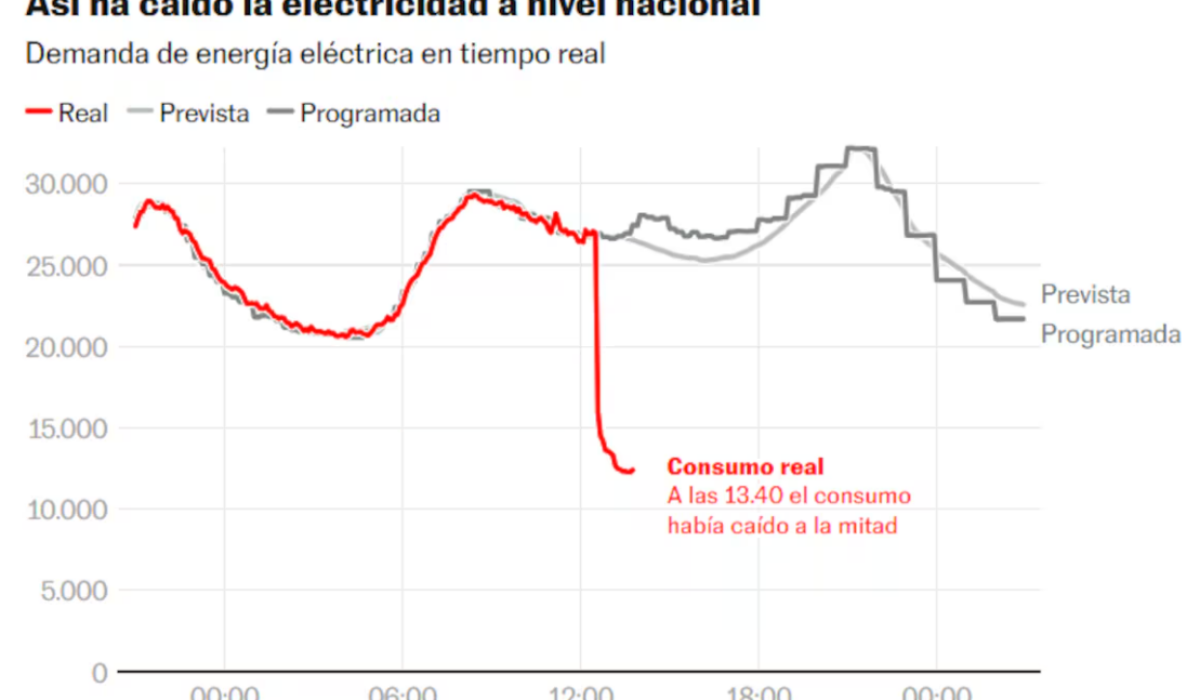
Yesterday, April 28, the peninsula's electrical grid suffered a massive failure that left a large part of the country without power. In a matter of seconds, more than 15 gigawatts of power disappeared from the grid, paralyzing multiple key sectors: transportation, communications systems, industries, and essential services.
This type of incident, beyond its immediate impact, highlights the need for a more robust and proactive approach to enterprise risk management.
In our experience, most business interruption insurance contracts incorporate temporary franchises of between 24 and 48 hours. This means that in situations like the recent blackout —lasting less than one day—, the losses suffered will not be compensated, unless there is a specific clause that provides for economic deductibles for power cuts.
Likewise, sectors with perishable products or that require strict conservation conditions (such as food or pharmaceuticals) should check whether they have coverage for indirect or consequential damages. loss of goods due to thermal variation, since in many cases, Compensation only applies if there is a proven and total loss.
Although the definitive causes of the incident are not yet known, it is clear that situations of this type can occur at any time and seriously affect the operations of organizations.
Therefore, we recommend that all companies consider the following priority actions:
- Identification and review of key risks, not only internal but also external, especially in relation to vital supplies such as electricity, connectivity, raw materials and transportation.
- Updating contingency and business continuity plans, incorporating sudden service interruption scenarios.
- Detailed evaluation of insurance coverage, paying attention to the deductibles and conditions that limit protection against brief but significant events.
- Adoption of complementary energy solutions, such as alternative energy sources or backup systems (own generators), which guarantee minimum operational autonomy during emergency situations.
- Staff training and regular drills to ensure an effective and coordinated response to disruptive incidents.
- Internal learning documentation (postmortem report), which identify weaknesses, opportunities for improvement and strategic recommendations for senior management.
The difference between a managed crisis and a devastating one lies, in large part, in the degree of prior preparation.
Resilience is not improvised: it is built through analysis, planning and an organizational culture focused on prevention.
At CG Gestión, we are committed to helping you strengthen your risk structure.